Our Approach
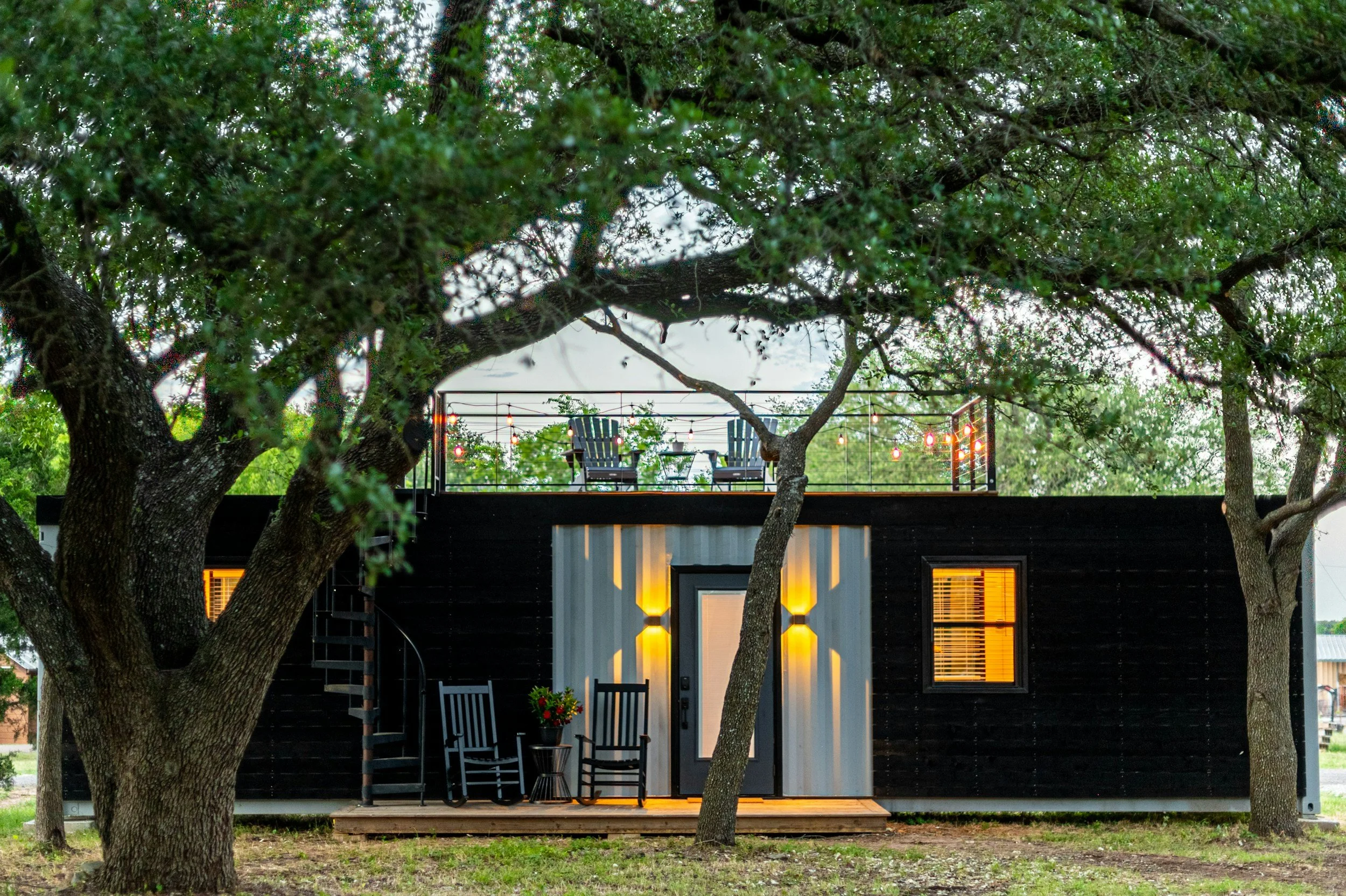
Explore our range of solutions designed to deliver housing from emergencies to permanent rental housing.
Our Programs
Program One: Emergency and Interim Housing
Emergency housing is the fastest path from an empty site to a safe place to sleep for people who need shelter tonight, not after a years-long process.
Interim housing fills the gap between crisis and a permanent home. Residents get stability, an address, and access to services while a longer-term placement is found.
HIC develops these projects and partners with cities, counties, and nonprofit service providers who operate them and deliver services to residents.
What HIC requires: The operating partner must have three to five years of service funding committed and appropriated, verified by a board-adopted budget or executed contract, before HIC breaks ground.
HIC's leadership has seen what happens when a project opens ahead of its funding: residents move in, and the support isn't there, or it stops partway through. The funding environment makes that risk worse. Federal voucher policy has tightened, all seven of California's largest cities and counties face budget deficits, and pandemic-era relief funds that paid for service contracts have run out.
Program Two: First Rung Housing
First Rung Housing is permanent rental housing for working households earning 30 to 60 percent of area median income. It's the first rung of the housing ladder for working people, and the one almost no one builds.
The reason is simple arithmetic. Conventional projects are financed with debt, and rents at 30 to 60 percent of AMI can't repay it. Developers either skip this income band or fold a handful of these units into large, heavily subsidized projects that take years to assemble.
HIC takes a different approach. As a nonprofit, it builds First Rung Housing with philanthropic capital. Without a loan to repay, rents only need to cover operating the building, which puts homes within reach of households the market has written off.
Program Three: Transitional Age Youth (TAY) Housing
TAY housing is for young adults, typically 18 to 24, including young people coming out of the foster care system, who are ready to build independent lives and careers.
HIC partners with youth-serving nonprofits, who in turn partner with technical schools and community colleges, so residents gain a stable home alongside job training in the building trades, nursing, teaching, and healthcare.
These are the same jobs- plumbers, electricians, carpenters, teachers’ aides, healthcare aides- that keep our schools, hospitals, and care homes running, and that build the housing HIC develops.
How HIC Builds
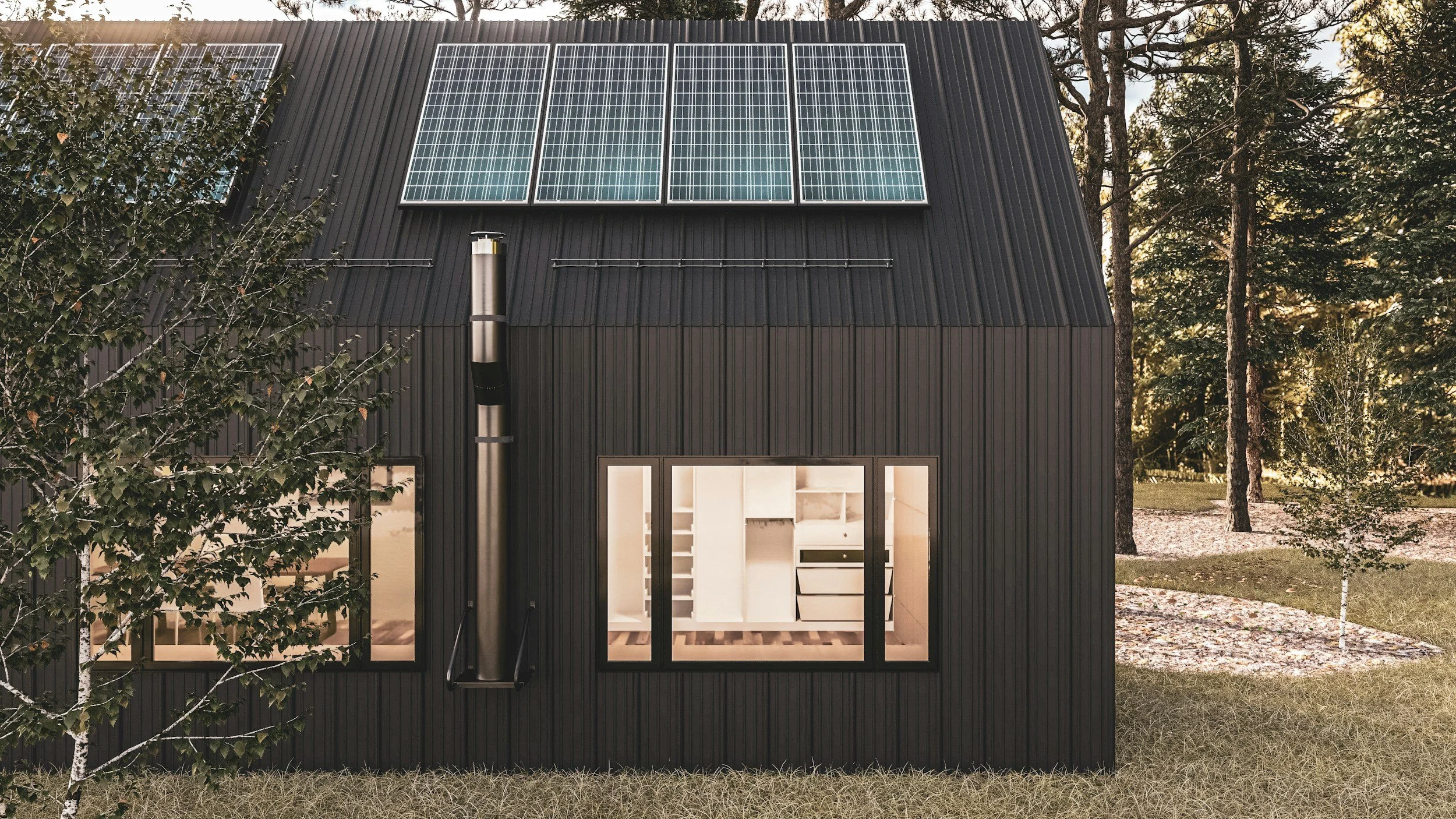
HIC builds with modular, factory-built construction instead of conventional on-site methods. Units are manufactured in a controlled factory environment while site work, foundations, and utilities are prepared in parallel on location. The two processes run at the same time instead of one after the other, which is where most of the schedule compression comes from.
That approach typically brings a project from groundbreaking to occupancy in eight to twelve months. Conventional affordable housing development, by contrast, often takes several years once entitlement, financing, and construction are accounted for.
A shorter timeline changes the project's economics. Construction costs escalate the longer a project takes to build, so compressing the schedule reduces that escalation directly.
The result is not just a faster process. It is a different cost structure, because much of what drives conventional affordable housing costs upward is time. Removing time from the equation removes a meaningful share of the cost.

What It Costs
Conventional affordable housing in California now averages about $726,000 per unit on projects that pay prevailing wages, and some have passed $900,000. Prevailing wage requirements alone add about $94,000 per unit, and each additional public funding layer, such as Low-Income Housing Tax Credits, adds roughly four more months and $20,000 per unit.
A recent comparable project, 15 South Hope Avenue in Santa Barbara, cost about $974,000 per unit (total development cost divided by its 45 income-restricted units) and took about 57 months from site purchase to opening.
HIC is targeting $250,000 to $350,000 per unit, stabilized within 16 months, by building with modular construction and a single capital source, usually philanthropy, instead of stacking seven or more layers of public funding plus a construction loan.
What HIC Requires Before Breaking Ground
HIC does not break ground on a project until the organization that will operate it has three to five years of service funding committed and appropriated for emergency, interim, and permanent supportive housing.
This standard exists because a project without committed services is not housing; it is a vacant structure with an attached mission.
The standard also responds to the current funding environment, not a policy chosen in isolation from it. Federal voucher policy has tightened. All seven of California's largest cities and counties are facing budget deficits. Pandemic-era relief funds that supported service contracts have expired.
At the same time, federal policy has moved in a direction that supports HIC's model. The 21st Century ROAD to Housing Act, signed into law in July 2026, directs HUD to reduce barriers to modular construction financing and expand affordable housing production, one more reason this approach is workable now.
Where We Are Starting
HIC's first project has a partner: 60 interim beds that Ventura County will own, part of a larger County project that also provides recuperative care for people experiencing homelessness. It's the organization's proof of concept for the model: modular construction, a simplified capital stack, and experienced development leadership delivering quality housing faster and for less.
Beyond that first project, HIC is focused on the California markets where the gap between need and housing production is widest and growing fastest: the Central Coast, Northern California, and Southern California. HIC is also serving as the housing consultant on a proposed non-congregate shelter project in Tucson, Arizona, as part of a team responding to the City of Tucson's Amphi Neighborhood RFP alongside Poster Mirto McDonald and Durazo Construction Corporation, an early opportunity to bring the model to a community where the existing timeline and cost structure aren't working.
Get in Touch
Exploring a shelter or interim housing project, with service funding in place or in progress? HIC can evaluate fit early, before you commit serious time or money to a site.
Have land, or a community need, for First Rung Housing, serving households at 30 to 60 percent of AMI? Let's talk about that too.